
Reading the latest issue of The Gay & Lesbian Review, I stumbled on an article arguing that The Count of Monte Cristo is threaded through with sapphic text and subtext in regard to the relationship between Eugénie Danglars and her piano teacher, Louise d’Armilly. Eugénie rejects marriage, despises men, dreams of artistic freedom, and ultimately chooses to run away with another woman. Still, I had totally missed it…
The same article goes further into Alexandre Dumas’ broader work:
Forbidden love is a recurring theme in Dumas’ works. The Three Musketeers and its sequels delve into it a great deal. Themes of gay love also appear: La Dame de Monsoreau is rife with them. Protagonist Count de Bussy and side character François duc d’Anjou are implied to be in a relationship, as are King Henri III and the court jester, Chicot. Sodomy had been decriminalized in France in 1791 but remained stigmatized at the time, and accusations of queerness were used to smear political opponents. It remained persecuted through laws against “indecency” and “corruption,” although its enforcement varied by time and place.
Again I totally missed it when I read La Dame de Monsoreau in my teens.
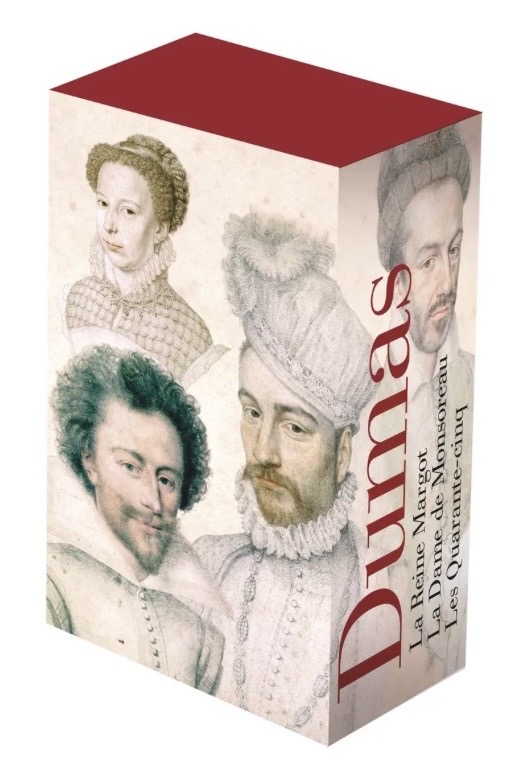
The timing of this discovery is perfect. This year’s Bibliothèque de la Pléiade album is dedicated to Dumas, and the Valois cycle is being republished this May. This is going to be my summer reading. Nothing else needed!